
The End of U.S. Penny Production: What to Expect as a Collector?
The U.S. penny is finally reaching its last chapter, and collectors are paying attention. A coin that once felt ordinary is turning into a piece of modern history. This shift opens new doors for anyone who enjoys the thrill of discovering value in small details.
If you collect out of curiosity, nostalgia, or investment, now is the perfect time to explore what the final years of the penny mean for your hobby. Grab a magnifier and download a coin scanner app — it is the right time to visit a local coin store!
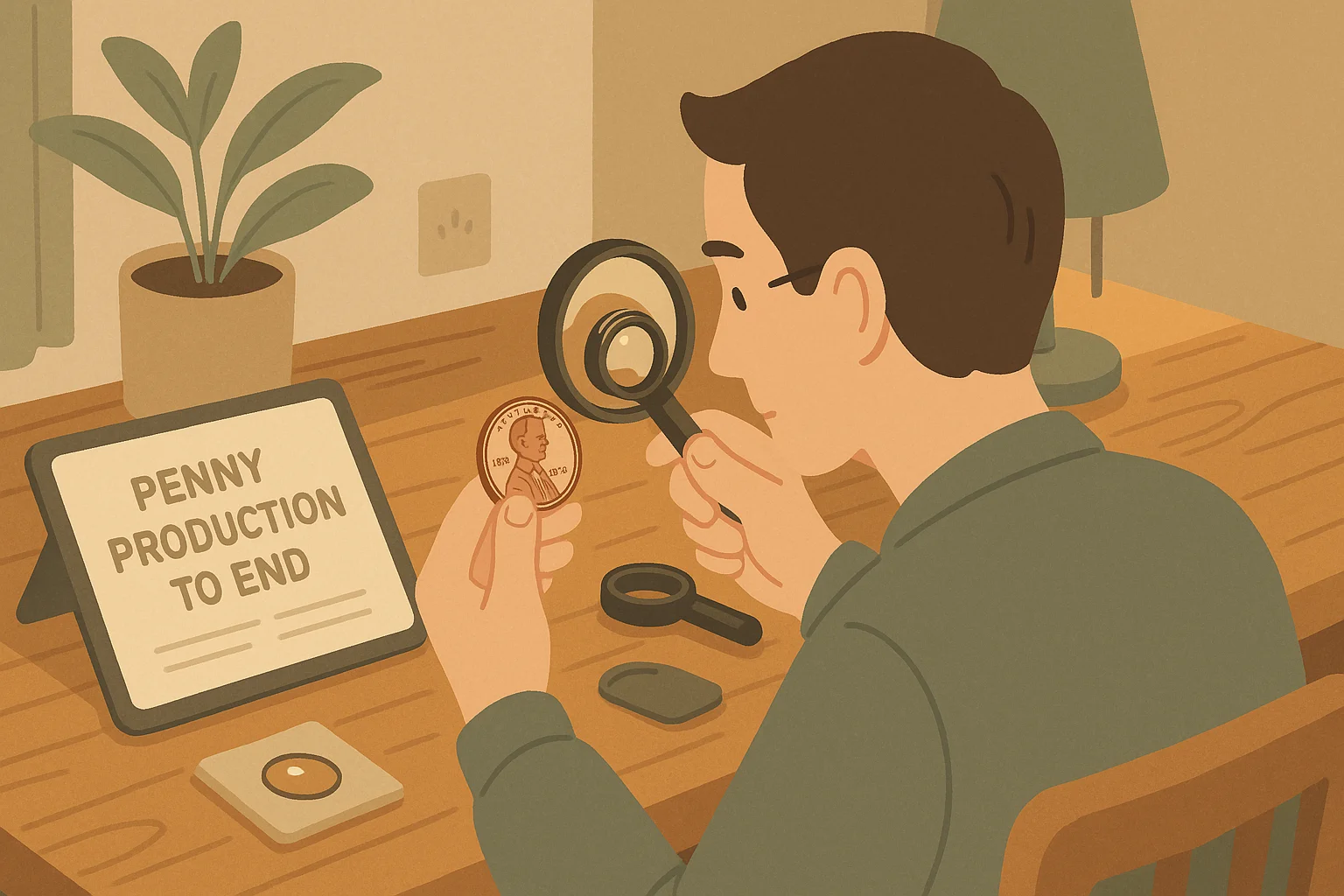
Why the U.S. Penny Is Reaching Its Final Chapter
For the first time in more than two hundred years, the U.S. penny is approaching the end of its life cycle. What once felt like an everyday coin — found in pockets, jars, and cash registers — is now becoming a historical artifact. In 2025, the U.S. Treasury confirmed plans to wind down penny production after years of debate, shifting public behavior, and the financial burden of minting a coin that costs far more to make than its face value.
The Economic Logic Behind the Decision
The core issue is simple:
Producing a single penny now costs nearly 3.7 cents, more than triple its actual worth. Rising metal prices, manufacturing expenses, and distribution costs turned penny minting into a persistent loss for the government.
Key factors include:
- The cost of copper and zinc increasing steadily over the decade
- Manufacturing and transportation costs outpacing the coin’s value
- Pennies being used less in daily commerce due to digital payments
- Billions of pennies removed from circulation each year through hoarding or loss
By May 2025, the Treasury stopped ordering new blank planchets, signaling that the final batches of circulating pennies were already in production.
What the U.S. Will Use Instead
Retailers and small businesses have already started rounding cash transactions to the nearest nickel — a standard approach used in countries that eliminated their lowest denomination coins. Card payments, online purchases, and digital wallets remain unchanged, but cash-based transactions now follow simple rounding rules.
This transition mirrors moves made in Canada, Australia, New Zealand, and several European nations.
A Cultural Shift Beyond Economics
The penny has long carried emotional significance. Abraham Lincoln’s portrait, unchanged since 1909, is deeply rooted in American symbolism. Its end marks more than a financial decision — it closes a chapter of cultural identity and everyday history.
Collectors, historians, and long-time hobbyists recognize that this shift creates a unique opportunity to preserve pieces of the nation’s monetary past, especially as recent mintages become the final circulating issues.
What the End of Penny Production Means for Collectors
The discontinuation of U.S. penny production marks a significant turning point in modern numismatics. While billions of pennies still circulate, the halt in new minting immediately changes how collectors view—and value—these small copper-colored coins. Understanding what becomes collectible, what gains coin value premium potential, and what stays common will help hobbyists make smart decisions in the years ahead.
Scarcity Shifts: Why Recent Pennies Suddenly Matter
Although pennies remain plentiful, their final production years instantly become historically important. When a denomination ends, collectors gravitate toward:
- The last official mintages
- Low-mintage years and mint marks
- Special releases issued close to the discontinuation
- High-grade examples preserved before circulation
Even modern coins that once seemed ordinary can experience a surge in interest simply because they represent the end of an era.
Collector Appeal Rises Across All Types
Enthusiasts now pay more attention to several categories of pennies:
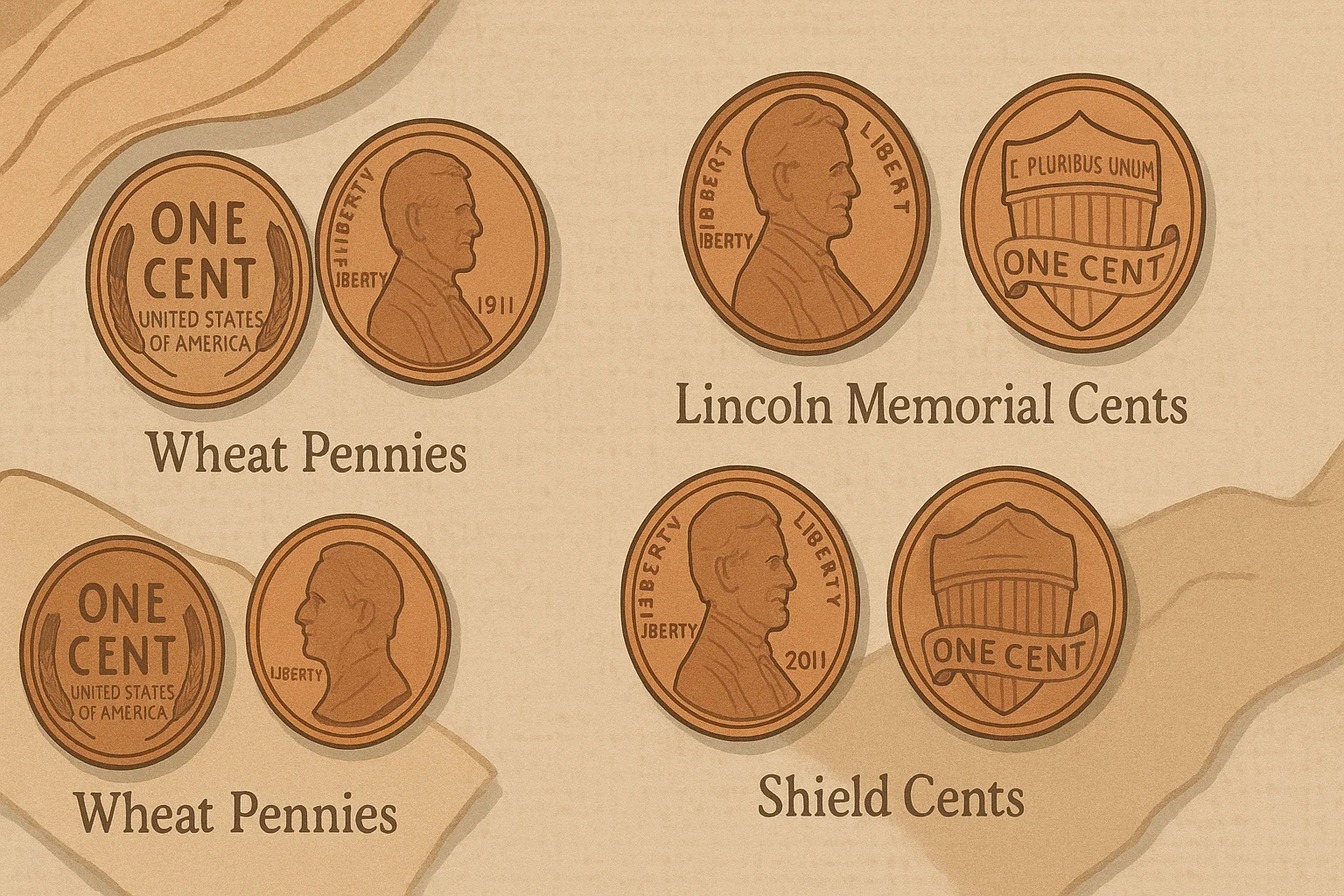
- Lincoln Memorial and Lincoln Shield designs
These coins close out more than a century of Lincoln-cent history. - Mint sets and annual collector releases
The Mint is expected to issue limited collector-grade pennies for a short transition period, making these sets especially desirable. - BU (Brilliant Uncirculated) rolls and bags
The final full rolls struck for circulation may gain premium value over time. - Special mint marks (S, D, W in limited cases)
Some may become future key dates simply due to end-of-production demand.
The Role of Nostalgia
Penny collecting has always been one of the most approachable entry points for beginners. As production ends, nostalgia becomes a powerful driver:
- People save pennies from childhood piggy banks.
- Families look for Wheat Cents inherited from older generations.
- Long-time collectors revisit old albums to complete long-neglected series.
This renewed emotional connection can push interest and prices upward for well-preserved examples.
Error Pennies Gain New Spotlight
Mint errors already hold strong collector appeal, but their importance rises as production shuts down. Popular error types include:
- Doubled dies
- Off-center strikes
- Repunched mint marks
- Clipped planchets
- Die cracks and cuds
Collectors often view these as unique pieces of minting history, and reduced production means fewer new errors will emerge.
Market Trends: What Collectors Are Seeing Right Now
Early reactions suggest:
- Increased demand for 2017–2025 Shield cents
- Higher premium interest for San Francisco proof pennies
- Greater secondary market activity for W-mint pennies issued in limited runs
- Faster sellouts of mint sets containing Lincoln cents
While long-term values take years to stabilize, the current environment is ideal for strategic buying and organization.
How Collectors Can Navigate the New Penny Era
With the end of penny production underway, collectors now have a window to preserve the most interesting examples of the coin’s final chapter. This is the moment to organize your approach, verify what you find via the best coin identifier app, and keep track of varieties before they vanish into private collections or long-term storage.
Start by Sorting and Inspecting Your Existing Pennies
Before rushing to buy new pieces, examine what you already have. Many collectors overlook coins that have been sitting in jars, drawers, or old albums for years.
Focus on:
- High-grade circulation pieces from the 2010s and early 2020s
- Mint-state examples with full original luster
- Coins with unusual toning or strong eye appeal
- Any errors, even minor ones, that could gain value later
- BU rolls from banks or coin shops
The first step is simply recognizing the potential in coins already in your possession.
Use Smart Verification Techniques
Even for common coins, confirming authenticity and identifying subtle varieties matters. Quick checks include:
- Weight and size measurements to confirm correct specifications
- Close inspection of mint marks, die cracks, plating flaws, or doubling
- Comparing examples to official mint references
- Viewing coins under different lighting to assess luster and wear
These habits help you separate ordinary pieces from the ones worth saving or grading.
Simplify Research and Tracking With Digital Tools
Modern collectors rely heavily on digital support to stay organized and informed. A streamlined app like Coin ID Scanner makes it easy to verify and manage penny finds during this transition period. You can:
- Identify penny types from a quick photo
- Check mint years, materials, and official specs
- Compare weights and compositions
- Organize your finds into a digital collection
- Ask the AI helper questions about value, rarity, or grading basics
It’s an efficient way to handle large groups of pennies and spot interesting varieties early.
Consider What to Buy Before Prices Shift
Since this is a transition period, certain categories may become more collectible in the coming years. Experienced collectors recommend keeping an eye on:
- Last-year pennies (the final circulating issues)
- Proof pennies from annual mint sets
- Special mint-mark releases with lower production numbers
- Errors from the final production years
- Full BU rolls or sealed mint bags from 2020–2025
History shows that discontinued denominations — from the half cent to the large cent — eventually enjoy renewed demand, especially for higher-grade coins.
Preserve Your Best Pieces Immediately
Good storage is essential now that no new replacements will enter circulation. Use:
- Acid-free flips or Mylar holders
- Airtight capsules for uncirculated pieces
- Silica packs to control humidity
- Album pages specifically designed for modern cents
Proper storage preserves color, luster, and long-term value.
Stay Connected to the Market
Penny collecting is entering a new phase, so trends may change quickly. Keep learning by:
- Watching sales from major auction houses
- Following price movements in online marketplaces
- Joining collector forums to hear community insights
- Reviewing U.S. Mint announcements on limited collector issues
Staying informed helps you react early to new opportunities or value shifts.
The end of penny production creates a rare moment for collectors. Final-year issues, hidden errors, and well-preserved pieces all gain new importance. With careful inspection, good storage, and smart digital tools, you can build a stronger and more meaningful collection. The penny era may be ending, but for collectors, the adventure is just beginning.